Обзор
COVID-19, также известный как коронавирусная болезнь 2019 года, вызывается вирусом. Этот вирус называется тяжелым острой респираторным синдромом коронавируса 2, или, более обще, SARS-CoV-2. Он начал распространяться в конце 2019 года и стал пандемическим заболеванием в 2020 году.
Вирус, вызывающий COVID-19, распространяется, преимущественно, через воздух в крошечных каплях жидкости между людьми вблизи друг от друга. У многих людей с COVID-19 нет симптомов или они легко выражены. Но для пожилых людей и людей с determinants медицинских условиях, COVID-19 может быть причиной необходимости госпитализации или смерти.
Следить за своей вакцинацией против COVID-19 помогает предотвратить серьезные осложнения, необходимость госпитализации из-за COVID-19 и смерть от COVID-19. Другие способы, которые могут помочь предотвратить распространение этого коронавируса, это хорошая циркуляция воздуха в помещении, физическое дистанцирование, ношение маски в соответствующей среде и соблюдение хорошей гигиены.
Медицина может ограничить серьезность вирусной инфекции. Большинство людей выздоравливают без долгосрочных последствий, но у некоторых людей симптомы могут сохраняться на протяжении нескольких месяцев.
Симптомы
Типичные симптомы COVID-19 обычно появляются через 2-14 дней после контакта с вирусом.
Симптомы могут включать:
- Высокую температуру или озноб
- Кашель
- Затрудненное дыхание
- Усталость
- Мышечные или телесные боли
- Морскую носа или затруднения с дыханием
- Головная боль
- Утрата вкуса или обоняния
Люди могут иметь всего несколько симптомов или вообще не иметь их. Люди, у которых нет симптомов, но положительные результаты теста на COVID-19, называются асимптоматиками. Например, многие дети, у которых положительные результаты теста, не имеют симптомов болезни. Люди, у которых в последствии появляются симптомы, считаются предсимптоматическими. Обе группы по-прежнему могут распространять COVID-19 на других.
У некоторых людей могут появиться симптомы, которые ухудшаются примерно через 7-14 дней после начала симптомов.
У большинства людей с COVID-19 симптомы легкие или умеренные. Но COVID-19 способен вызвать серьезные медицинские осложнения и привести к смерти. Пожилые люди или люди, которые уже имеют медицинские состояния, находятся в большем риске серьезного заболевания.
COVID-19 может быть легким, умеренным, тяжелым или критическим заболеванием.
Редко, люди, заразившиеся коронавирусом, могут развить группу симптомов, связанных с воспалением органов или тканей. Это состояние называется мульти-системный воспалительный синдром. Когда дети страдают от этого заболевания, оно называется мульти-системный воспалительный синдром у детей, сокращенно MIS-C. У взрослых называется MIS-A.
Когда обращаться к врачу
Свяжитесь с медицинским работником, если результат теста на COVID-19 положителен. Если у вас есть симптомы и вам нужно протестироваться на COVID-19 или если вы были в контакте с кем-то, у кого есть COVID-19, медицинский работник может помочь.
Немедленно обратитесь за помощью в экстренной ситуации при любых из этих симптомов:
- Тяжелые затруднения с дыханием
- Непроизвольное затянутое губы или лица
- Недостаточное абрумить
- Сильные теле или животные ыюа
- Синий оттеной гушу
Этот список не включает все чрезвычайные симптомы. Если у вас или человека, о котором вы заботитесь, есть симптомы, которые вас беспокоят, обратитесь за помощью. Сообщите команде здравоохранения о положительном результате теста на COVID-19 или о симптомах болезни.
От Mayo Clinic к вашему почтовому ящику
Причины
COVID-19 вызывается инфекцией коронавирусом тяжелого острого респираторного синдрома 2, также называемым SARS-CoV-2.
Коронавирус передается в основном от человека к человеку, даже от зараженного, не имеющего симптомов. Когда люди с COVID-19 кашляют, чихают, дышат, поют или говорят, их дыхание может быть заражено вирусом COVID-19.
Коронавирус, переносимый человеческим дыханием, может попасть непосредственно на лицо близкого человека, например, после чихания или кашля. Капли или частицы, которые зараженный человек выдыхает, могут быть вдохнуты другими людьми, если они находятся близко друг к другу или в областях с низкой циркуляцией воздуха. Человек также может коснуться поверхности, на которой оказались респираторные капли, а затем прикоснуться к лицу руками, на которых есть коронавирус.
Существует возможность заражения COVID-19 повторно.
Вирус, вызывающий COVID-19, может заразить некоторых домашних животных. Коты, собаки, хомяки и хорьки заразились этим коронавирусом и имели симптомы. Редко человек заражается COVID-19 от животного.
Факторы риска
Основные факторы риска для COVID-19:
Много факторов влияют на ваш риск заражения вирусом, вызывающим COVID-19. Продолжительность контакта, наличие хорошей циркуляции воздуха и ваши активности влияют на риск. Также ваш риск зависит от того, надели ли вы или другие маски, есть ли у кого-то симптомы COVID-19 и насколько близки вы находитесь. Близкий контакт включает, например, сидение и разговор рядом друг с другом, или совместное путешествие на автомобиле или нахождение в одной комнате.
Похоже, что встретить вирус, вызывающий COVID-19, на зараженной поверхности редко. Хотя вирус выделяется с мочой, называемой калом, заражение COVID-19 из мест, таких как общественные туалеты, не распространено.
Факторы риска развития тяжелой болезни COVID-19
Некоторые люди имеют более высокий риск развития тяжелой болезни COVID-19, чем другие. К ним относятся люди в возрасте 65 лет и старше, а также дети в возрасте до 6 месяцев. У этих возрастных групп самый высокий риск требования пребывания в больнице из-за COVID-19.
Не все факторы риска развития тяжелой формы COVID-19 известны. Люди любого возраста без других медицинских проблем нуждались в госпитализации из-за COVID-19.
Известные факторы риска развития тяжелой болезни включают в себя людей, не привившихся от COVID-19. Также тяжелая болезнь – это более высокий риск для людей, страдающих:
Люди с деменцией или болезнью Альцгеймера также находятся в группе повышенного риска, также люди с заболеваниями мозга и нервной системы, такими как инсульт. Курение увеличивает риск серьезного заболевания COVID-19. Люди с индексом массы тела, находящимся в категории избыточного веса или ожирения, также могут иметь повышенный риск.
Другие медицинские состояния, которые могут увеличить риск серьезного заболевания от COVID-19 включают:
- Беременность
- Болезнь почек
- Проблемы с печенью
- Аутоиммунные заболевания
Этот список не является исчерпывающим. Факторы, связанные с проблемами со здоровьем, также могут повысить риск серьезного заболевания COVID-19. Примеры включают наличие медицинского состояния, жизнь в доме для группы или отсутствие доступа к медицинской помощи. Также люди с более чем одним заболеванием, или люди старше возраста, у которых также есть проблемы со здоровьем, имеют более высокий шанс развития тяжелой болезни.
Осложнения
Осложнения COVID-19 включают длительную потерю вкуса и запаха, сыпи на коже и язвы. Болезнь может вызвать затруднение в дыхании или пневмонию. Существующие у человека проблемы могут ухудшиться.
Осложнения тяжелого течения COVID-19 могут включать:
Синдром после COVID-19
После инфекции COVID-19 некоторые люди сообщают, что симптомы сохраняются на протяжении месяцев, или они развивают новые симптомы. Этот синдром часто называют продолжительным COVID, или пост-COVID-19. Вы также можете услышать, что его называют продолжительным COVID-19, пост-COVID состояниями или PASC. Это означает постакутные последствия SARS-CoV-2.
Другие инфекции, такие как грипп и полиомиелит, могут привести к длительным заболеваниям. Но вирус, вызывающий COVID-19, изучается только с момента его распространения в 2019 году. Исследования о конкретных последствиях симптомов продолжительного COVID-19 продолжаются.
Исследователи считают, что синдром после COVID-19 может возникнуть после болезни любой степени тяжести.
Получение вакцины от COVID-19 может помочь предотвратить синдром после COVID-19.
Профилактика
Центр по контролю заболеваний и профилактике (ЦЗЗ) рекомендует вакцинацию от COVID-19 для всех лиц в возрасте от 6 месяцев и старше. Вакцина от COVID-19 может снизить риск смерти или тяжелого заболевания, вызванного COVID-19. Она снижает ваш риск и снижает риск заражения окружающих вас людей.
Вакцины от COVID-19, доступные в Соединенных Штатах:
- Pfizer-BioNTech
- Moderna
- Johnson & Johnsons Janssen
В общем, люди в возрасте от 5 лет и старше с типичной иммунной системой могут получить любую одобренную или авторизованную для их возраста вакцину. Им обычно не нужно получать одну и ту же вакцину каждый раз.
Некоторым людям рекомендуется получать все дозы вакцины от одного производителя, включая:
- Переговорите с вашим медицинским специалистом, если у вас есть вопросы о вакцинах для вас или вашего ребенка. Ваш медицинский персонал может помочь вам, если:
- Люди с ослабленной иммунной системой
- Ваш медицинский персонал может предложить дополнительные дозы вакцины от COVID-19, если у вас умеренно или тяжело ослаблена иммунная система.
Контролирование распространения инфекции
Помимо вакцинации, есть другие способы остановить распространение вируса, вызывающего COVID-19.
Если у вас есть повышенный риск серьезного заболевания, пообщайтесь с вашим врачом о том, как лучше защитить себя. Знайте, что делать, если вы заболеете, чтобы быстро начать лечение.
Despite the unprecedented speed of vaccine development against the prevention of COVID-19 and robust global mass vaccination efforts, the emergence of new SARS-CoV-2 variants threatens to overturn the progress made in limiting the spread of this disease. This review aims to comprehensively describe the etiology, epidemiology, pathophysiology, and clinical features of COVID-19. This review also provides an overview of the different variants of SARS-CoV-2 and the guideline-recommended treatment (as of January 2023) for managing this disease.
Etiology
SARS-CoV-2 Variants of Concern (VOCs)
Transmission of SARS-CoV-2
Epidemiology
Individuals of all ages are at risk of contracting this infection. However, patients aged ≥60 and patients with underlying medical comorbidities (obesity, cardiovascular disease, chronic kidney disease, diabetes, chronic lung disease, smoking, cancer, solid organ or hematopoietic stem cell transplant patients) have an increased risk of developing severe COVID-19 infection.
According to the CDC, age remains the strongest predictor of poor outcomes and severe illness in patients with COVID-19. Data from the National Vital Statistics System (NVSS) at CDC states that patients with COVID-19 aged 50 to 64 years have a 25 times higher risk of death when compared to adults infected with this illness and aged less than 30 years. In patients 65 to 74 years old, this risk increases to 60 times. In patients older than 85, the risk of death increases to 340 times. According to the CDC, these data include all deaths in the United States throughout the pandemic, from February 2020 to July 1, 2022, including deaths among unvaccinated individuals.
Pathophysiology
Effect of SARS-CoV-2 on the Respiratory System
Effect of SARS-CoV-2 on Extrapulmonary Organ Systems
History and Physical
Clinical Manifestations of COVID-19
Evaluation
Diagnostic Testing in COVID-19
Other Laboratory Assessment
Imaging ModalitiesThiss viral illness commonly manifests as pneumonia, so radiological imaging such as chest x-rays, lung ultrasounds, and chest computed tomography (CT) are often obtained. However, there are no guidelines regarding the timing and choice of pulmonary imaging in patients with COVID-19.
Treatment / Management
Many other monoclonal antibodies had EUAs; however, as Omicron subvariants emerged, their EUAs were revoked as they were no longer effective.
Nonhospitalized Adults With Mild-to-Moderate COVID-19 Illness Who Do Not Require Supplemental Oxygen
Therapeutic Management of Hospitalized Adults With COVID-19 Who Do Not Require Oxygen
Therapeutic Management of Hospitalized Adults With COVID-19 Who Require Conventional Oxygen
Therapeutic Management of Hospitalized Adults With COVID-19 who Require High-flow Nasal Cannula (HFNC) or Noninvasive Mechanical Ventilation (NIV)
Therapeutic Management of Hospitalized Adults With COVID-19 who Require Mechanical Ventilation (MV)
High-Titer COVID-19 Convalescent Plasma (CCP)
Preexposure Prophylaxis for SARS-CoV-2 Infection
Differential Diagnosis
The symptoms of the early stages of the disease are nonspecific. Differential diagnosis should include the possibility of a wide range of infectious and noninfectious respiratory disorders.
COVID-19 is a systemic viral illness based on its involvement in multiple major organ systems.
Deterrence and Patient Education
SARS-CoV-2 and its variants continue to cause significant morbidity and mortality worldwide. Prevention and management of this highly transmissible respiratory viral illness require a holistic and interprofessional approach that includes physicians’ expertise across specialties, nurses, pharmacists, public health experts, and government authorities. There should be open communication among the clinical providers, pharmacists, and nursing staff while managing patients with COVID-19. Each team member should strive to keep abreast of the latest recommendations and guidelines and be free to speak up if they notice anything that does not comply with the latest tenets for managing COVID patients; there is no place for a hierarchy in communication that prohibits any team member from voicing their concerns. This open interprofessional approach will yield the best outcomes.
Clinical providers managing COVID-19 patients on the frontlines should keep themselves periodically updated with the latest clinical guidelines about diagnostic and therapeutic options available in managing COVID-19, especially considering the emergence of new SARS-CoV-2 variants, which could significantly impact morbidity and mortality. Continued viral surveillance of new variants is crucial at regular intervals with viral genomic sequencing, given the possibility that more highly transmissible, more virulent, and treatment-resistant variants could emerge that can have a more catastrophic effect on global health in addition to the current scenario. A multi-pronged approach involving interprofessional team members can improve patient care and outcomes for this potentially devastating disease and help the world end this pandemic.
Review Questions
Covid 19, Corona Replication Contributed by Rohan Bir Singh, MD
Clinical Presentation of Patients with CoVID-19 Contributed by Rohan Bir Singh, MD; Made with Biorender.com
SARS- CoV 2 Structure Contributed by Rohan Bir Singh, MD; Made with Biorender.com
Transmission Cycle of SARS CoV 2 Contributed by Rohan Bir Singh, MD; Made with Biorender.com
Single-stranded RNA genome of SARS-CoV2 Contributed by Rohan Bir Singh, MD; Made with Biorender.com
References
Disclosure: Marco Cascella declares no relevant financial relationships with ineligible companies.
Disclosure: Michael Rajnik declares no relevant financial relationships with ineligible companies.
Disclosure: Abdul Aleem declares no relevant financial relationships with ineligible companies.
Disclosure: Scott Dulebohn declares no relevant financial relationships with ineligible companies.
Disclosure: Raffaela Di Napoli declares no relevant financial relationships with ineligible companies.
COVID-19 is the disease caused by the SARS-CoV-2 coronavirus. It usually spreads between people in close contact.
COVID-19 vaccines provide strong protection against severe illness and death. Although a person can still get COVID-19 after vaccination, they are more likely to have mild or no symptoms.
Anyone can get sick with COVID-19 and become seriously ill or die, but most people will recover without treatment.
People over age 60 and those with existing medical conditions have a higher risk of getting seriously ill. These conditions include high blood pressure, diabetes, obesity, immunosuppression including HIV, cancer and pregnancy. Unvaccinated people also have a higher risk of severe symptoms.
People may experience different symptoms from COVID-19. Symptoms usually begin 5–6 days after exposure and last 1–14 days.
The most common symptoms are:
Less common symptoms are:
People who have pre-existing health problems are at higher risk when they have COVID-19; they should seek medical help early if worried about their condition. These include people taking immunosuppressive medication; those with chronic heart, lung, liver or rheumatological problems; those with HIV, diabetes, cancer. obesity or dementia.
People with severe disease and those needing hospital treatment should receive treatment as soon as possible. The consequences of severe COVID-19 include death, respiratory failure, sepsis, thromboembolism (blood clots), and multiorgan failure, including injury of the heart, liver or kidneys.
In rare situations, children can develop a severe inflammatory syndrome a few weeks after infection.
Some people who have had COVID-19, whether they have needed hospitalization or not, continue to experience symptoms. These long-term effects are called long COVID (or post COVID-19 condition). The most common symptoms associated with long COVID include fatigue, breathlessness and cognitive dysfunction (for example, confusion, forgetfulness, or a lack of mental focus or clarity). Long COVID can affect a person’s ability to perform daily activities such as work or household chores.
Most people will recover without needing treatment in a hospital.
For those who need it, doctors will suggest treatments for COVID-19 based on the severity of the disease and the risk of it getting worse. They will consider the person’s age and if they have other health problems.
More on treatment
COVID-19 vaccines provide strong protection against serious illness, hospitalization and death.
To prevent the spread of COVID-19:
Vaccination against COVID-19 is based on priority groups such as people aged 60 years and over, and those with underlying medical problems such as high blood pressure, diabetes, chronic health problems, immunosuppression (including HIV), obesity, cancer, pregnant persons, and unvaccinated people. In March 2023, WHO updated its recommendations on primary series vaccination (two doses of any vaccine) as well as the need for booster doses. These recommendations are time-limited and can change at any time depending on how the SARS-CoV-2 virus is circulating in your area or country. It is important to stay up to date with local guidelines and recommendations provided by your local health authority.
Since its introduction, COVID-19 vaccines have saved millions of lives across the world by providing protection against severe disease, hospitalization, and death. Even though vaccines protect against severe disease and death, it is still possible to spread SARS-CoV-2 to others after being vaccinated.
WHO response
The World Health Organization is the global coordinating agency for the response to the COVID-19 pandemic. The Organization works with Member States and partners on all aspects of the pandemic response, including facilitating research, developing guidance, coordinating vaccine development and distribution, and monitoring daily case numbers and trends around the world.
Since April 2020, the Access to COVID-19 Tools (ACT) Accelerator, launched by WHO and partners, has supported the fastest, most coordinated, and successful global effort in history to develop tools to fight a disease. COVAX, the vaccines pillar of the ACT-Accelerator is a ground-breaking global collaboration to accelerate the development, production, and equitable access to COVID-19 tests, treatments, and vaccines.
WHO provides global coordination and member state support on vaccine safety monitoring. It developed the target product profiles for COVID-19 vaccines and provides R&D technical coordination.
WHO also leads work to improve global capacity and access to oxygen production, distribution and supply to patients.
Although WHO announced the end of the emergency phase of COVID-19 in May 2023, the Organization continues to coordinate the global response.
UC Davis Health is committed to providing the most effective care for people with COVID-19. We base our treatments on the latest advances in research.
Medically reviewed by Dean Blumberg, M.D. on July 17, 2023.
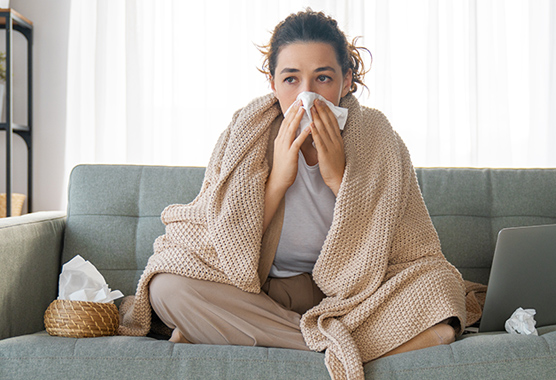
COVID-19 (also called coronavirus) is an infectious disease. People with COVID-19 usually have respiratory symptoms similar to a cold or flu. While most recover completely, some people experience serious and life-threatening symptoms.
UC Davis offers the latest treatments for COVID-19. Our Post-COVID-19 Clinic also treats people who have symptoms more than 30 days after their initial illness, known as long COVID.
Some people with COVID-19 have no symptoms. Others have symptoms that range from mild to life-threatening.
Common Symptoms
Symptoms of COVID-19 include:
Emergency Symptoms
A strain of coronavirus called SARS-CoV-2 virus causes COVID-19. SARS stands for severe acute respiratory syndrome.
People older than 50 are more likely to become severely ill and need hospitalization for COVID-19.
Cancer
People with a history of cancer or who are undergoing cancer treatment have an increased risk of severe infection. Many cancer treatments can weaken your immune system and make it harder for your body to fight the virus.
Chronic Illnesses
Certain chronic illnesses, including diseases that affect your kidneys, liver or lungs, raise your risk of getting very sick from COVID-19.
Cystic Fibrosis
Cystic fibrosis is a genetic condition that affects your lungs. This condition puts you more at risk for severe symptoms of COVID-19.
Diabetes
People with a history of type 1 or type 2 diabetes are more likely to develop serious complications from COVID-19.
Heart Conditions
Heart failure, coronary artery disease (CAD), high blood pressure (hypertension) and other heart conditions are associated with severe COVID-19 infection.
Weakened Immune System
People with weakened immune system due to an underlying medical condition or treatment have a higher risk of serious complications from COVID-19.
We recommend a COVID-19 test if you have symptoms of infection or have recent exposure to the virus. There are three types of tests:
If you’d like to be tested for COVID-19, you can contact a provider through UC Davis Express Care.
Learn what to do if you test positive for COVID-19
Early treatment for COVID-19 can reduce your risk of severe illness. UC Davis Health offers a range of treatment options approved for children and adults. Your provider may recommend:
Antiviral Medications
Antiviral medicines like Paxlovid, Molnupiravir and Remdesivir help your body fight COVID-19 by preventing the virus from growing.
Respiratory Therapy
Pulmonary rehabilitation helps people who have trouble breathing because of COVID-19.
Steroid Medications
Corticosteroids are effective treatments for people experiencing severe illness.
You can take steps to protect yourself from getting infected with COVID-19. Certain actions also help prevent serious complications if you are infected. These include:
Symptoms can first appear
Days after exposure to COVID-19 infection.
How many people have long COVID?
1 in 13U.S. adults have symptoms that last 3 or more months after COVID-19 infection
Request an Appointment
As Sacramento’s No. 1 hospital, you’ll benefit from unique advantages in primary care and specialty care. This includes prevention, diagnosis and treatment options from experts in 150 specialties.
Referring Physicians
To refer a patient, you can submit an electronic referral form or call.
For questions and appointment information
Consumer Resource Center
A U.S. News & World Report best hospital in cancer, cardiology, heart & vascular surgery, diabetes & endocrinology, ENT, geriatrics, neurology & neurosurgery, obstetrics & gynecology, and pulmonology & lung surgery.
Ranked among the nation’s best children’s hospitals
A U.S. News & World Report best children’s hospital in diabetes & endocrinology, nephrology, and orthopedics*. (*Together with Shriners Children’s)
Ranked Sacramento’s #1 hospital
Ranked Sacramento’s #1 hospital by U.S. News, and high-performing in COPD, colon cancer surgery, diabetes, heart attack, heart failure, hip fracture, hip replacement, kidney failure, leukemia, lymphoma & myeloma, lung cancer surgery, ovarian cancer surgery, pneumonia, prostate cancer surgery, stroke, TAVR, uterine cancer surgery, gastroenterology & GI surgery, and orthopedics.

The nation’s highest nursing honor
UC Davis Medical Center has received Magnet® recognition, the nation’s highest honor for nursing excellence.
“Most Wired” for acute care
UC Davis Health has been recognized as a level 10 out of 10 in the Digital Health “Most Wired” program from the College of Healthcare Information Management Executives (CHIME). The honor recognizes excellence in using technology to improve the delivery of care.
“Most Wired” for ambulatory care
World-class cancer care
One of ~52 U.S. cancer centers designated “comprehensive” by the National Cancer Institute.
A leader in health care equality
For the 11th consecutive year, UC Davis Medical Center has been recognized as a “Leader in LGBTQ+ Healthcare Equality.”
Эта статья об инфекционном заболевании; о пандемии, вызванной заболеванием, см. Пандемия COVID-19.
Запрос «ковид» перенаправляется сюда; см. также другие значения.
Передача и жизненный цикл вируса SARS-CoV-2, вызывающего инфекцию COVID-19
Медицинская специальность , , , и неотложная медицинская помощь
Причины заболевания и его развитие
См. также: § Серологические тесты
Острый респираторныйдистресс-синдром 9 (8—14)
Механическая вентиляциялёгких 10,5 (7—14)
Переводв отделение реанимации 10,5